
What is Montessori?
Montessori parenting focuses on developing the child in all aspects by encouraging self-directed learning and respecting the child’s individuality. This approach was pioneered by Maria Montessori, an Italian educator who believed that everyone is born with an innate ability to learn, but this ability needs the right support and encouragement to flourish.
Let’s explore how Montessori parenting works and the methods involved.
“The Montessori Method”
•Respect for the child’s individuality
Allow children the freedom to choose and decide what interests them, such as picking toys or activities they want to do. Who knows? They might become the next generation of furniture designers or experts in toy organization!
Parents or guardians should observe and listen to the child’s needs without forcing or dictating what they must do. Give the child opportunities to make their own decisions. Sometimes, they might say they want ice cream for breakfast! (Of course, within reasonable boundaries.)
•Create a child-friendly environment
Arrange the room or play area so that children can access toys and materials independently, such as placing toys on shelves within their reach. This way, they can feel like they have their own little toy store.
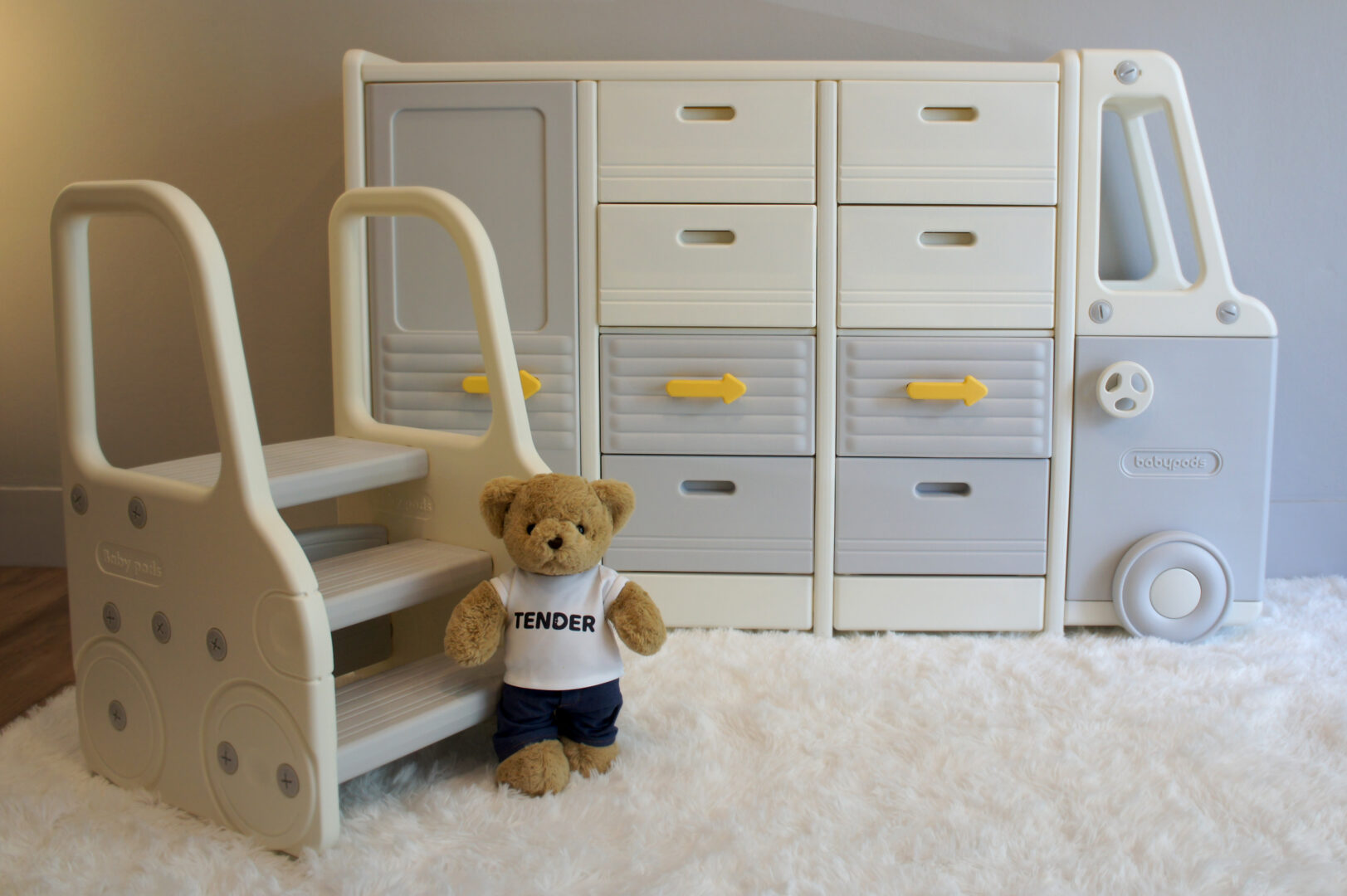
Use age-appropriate toys and materials that match the child’s developmental stage, such as wooden toys, natural colors, and safe materials.
• Learning by doing
Encourage learning through hands-on activities, such as letting children help with household chores, gardening, or simple cooking tasks. How great would it be if your child could make toast on their own—even if it sometimes gets a bit burnt 🤭? It’s all part of the learning process.
Allow children to try different things by themselves. Even if they make mistakes, it’s still valuable learning. If your child spills soup all over the kitchen, it’s a great opportunity for them to learn how to clean up!
•Encouraging skill development
Provide children with toys and activities that help develop skills such as problem-solving, critical thinking, and teamwork. For example, building blocks, LEGO, and brain games are great options. Imagine your child creating a LEGO bridge for a teddy bear to cross a river and visit a bunny toy!
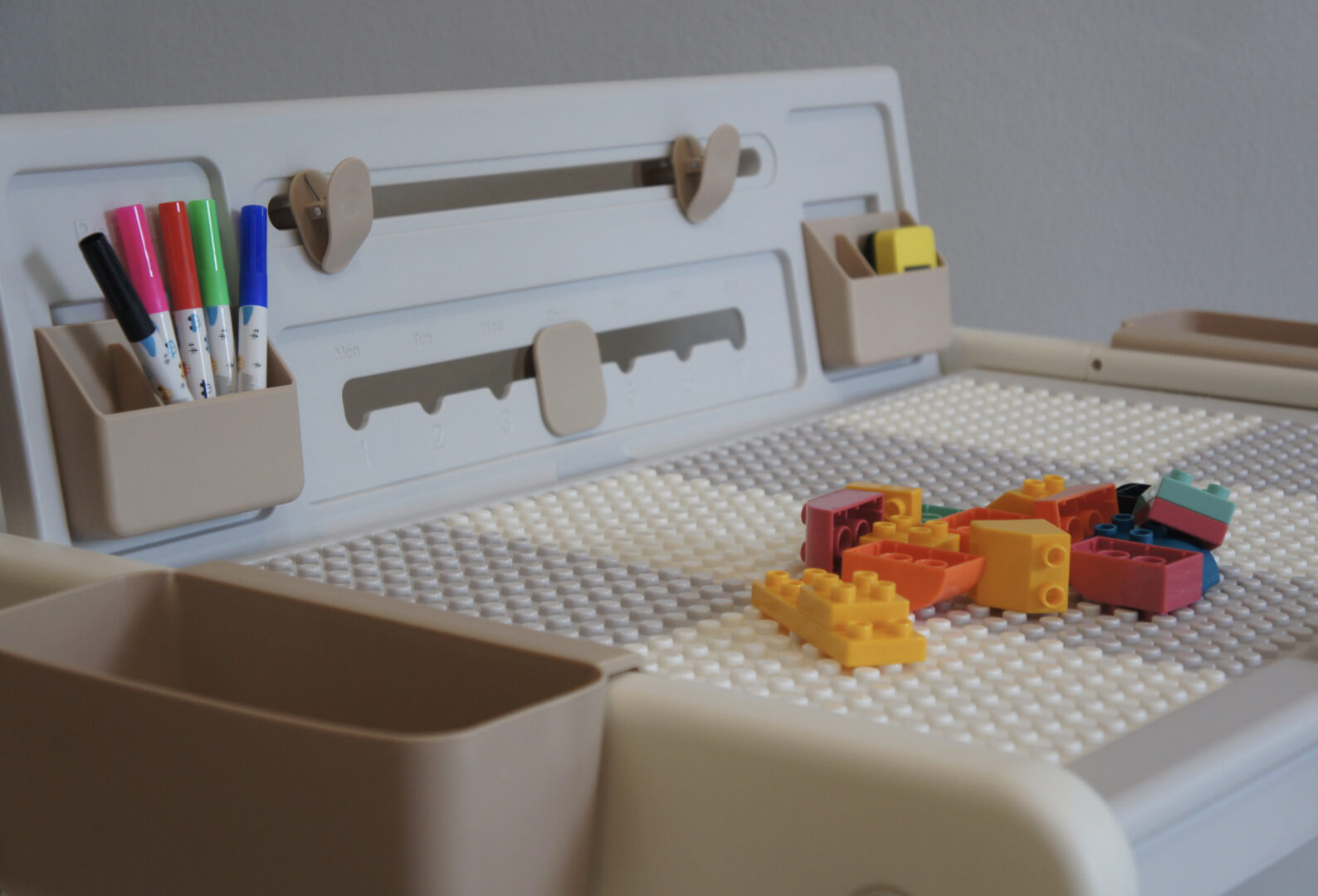
Encourage learning by asking questions and providing guidance that helps children think and solve problems on their own. For example, ask, “How do you think we can tie the shoelaces?” Sometimes, the answer might be, “We could use tape instead!” 😬
“Practices”
•Create an appropriate environment
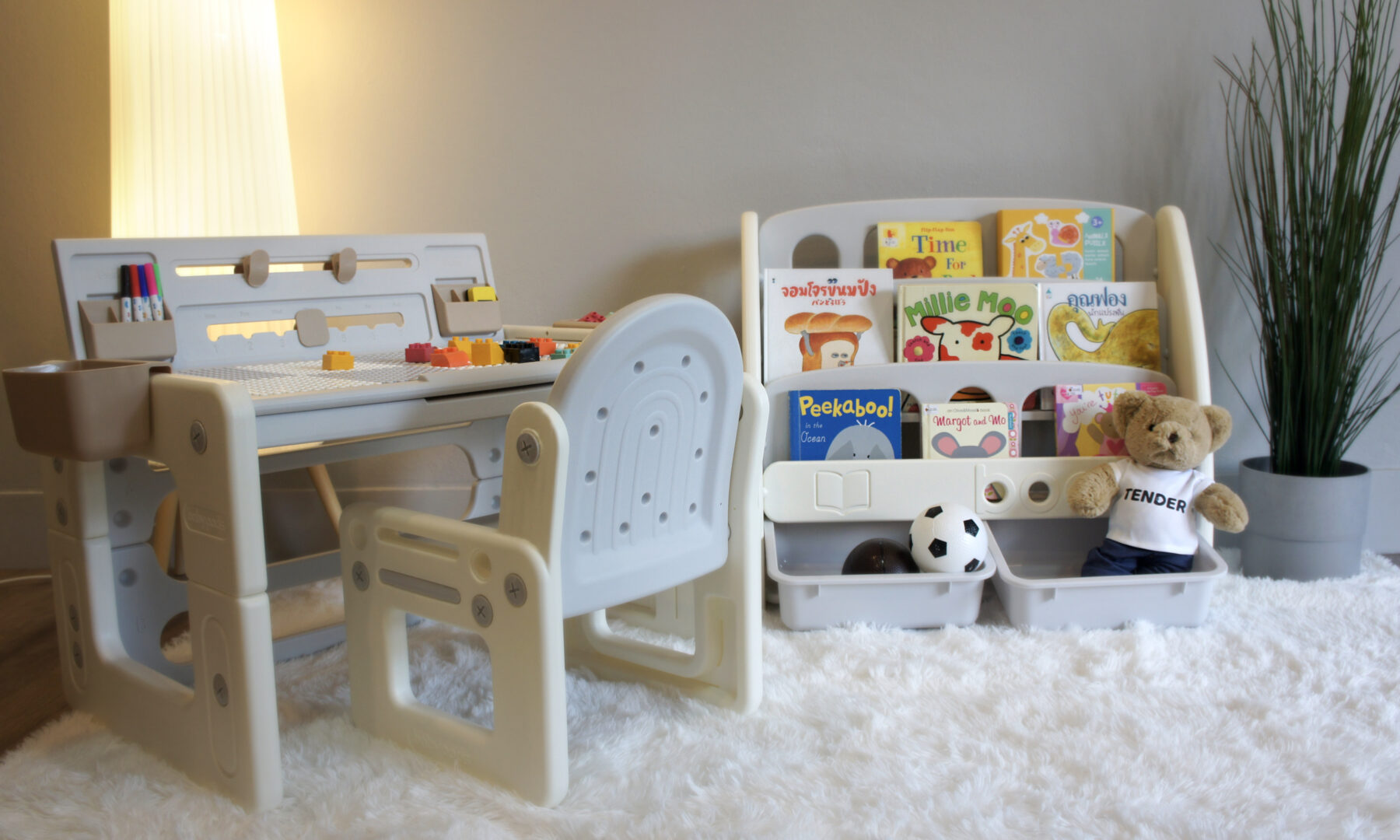
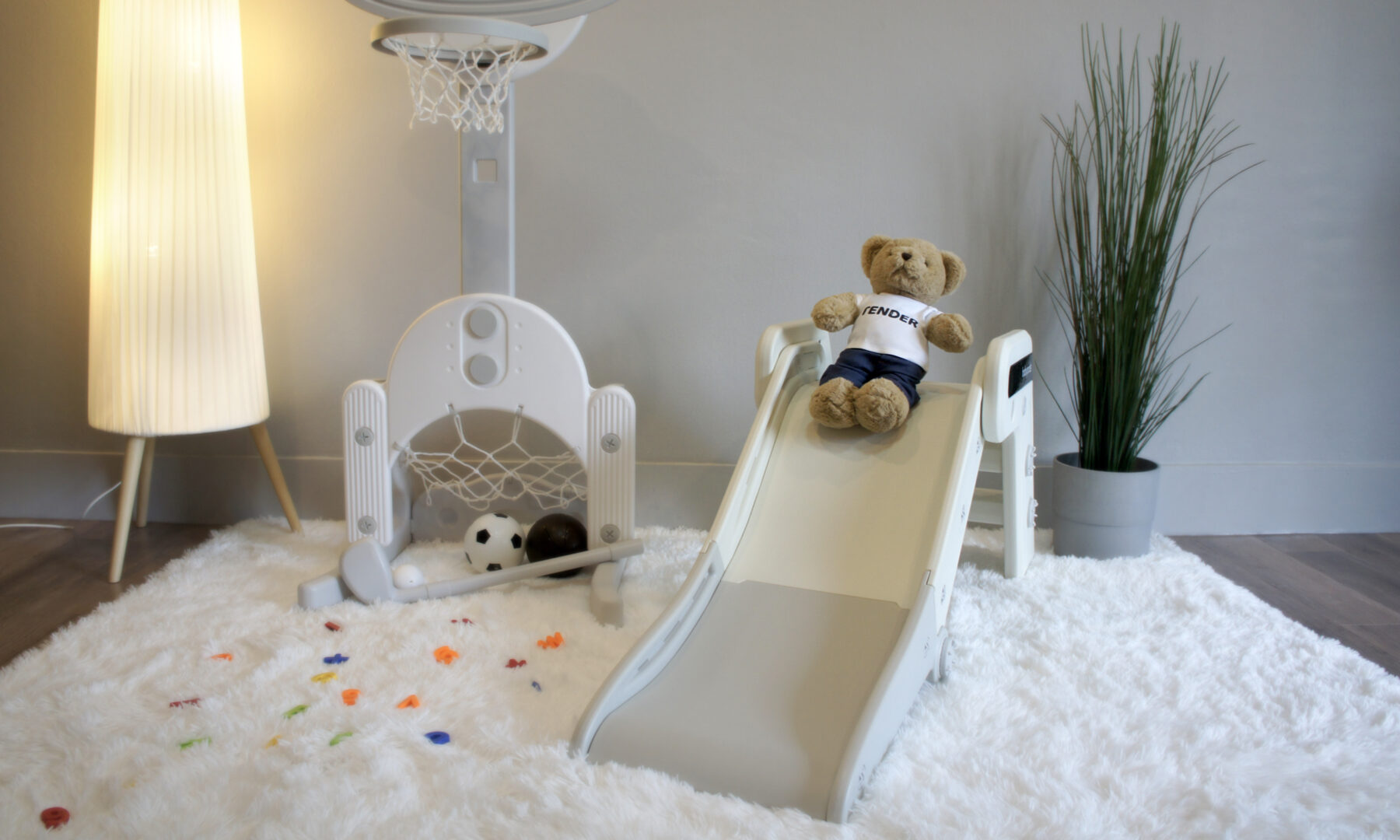
Arrange your home or classroom with distinct areas for various activities, such as spaces for reading, art, and play. This setup will make the environment feel like a mini amusement park, giving your child plenty of room to move and play without interruption.
•Create a Clear Routine
Establish a consistent schedule for activities like waking up, mealtimes, and playtime. This provides children with a sense of security and stability, similar to having structured activities at a camp, but without the need to go outdoors.
Engage them in tasks such as setting the table or tidying up toys. This involvement makes them feel like an important part of the family team and adds an element of fun to their responsibilities.
•Give Opportunities for Self-Learning
Allow children to learn by doing things on their own, such as tying their shoelaces, preparing simple meals, or watering plants. You might be surprised by their unique methods!
Support their learning by providing guidance and asking questions that help them think and solve problems independently. For example, ask, “How do you think we can tie your shoelaces?” Sometimes the answers can be creative, like “We could use two shoelaces instead!” 🤔
•Pay Attention to and Respect Children’s Needs
Listen to and observe children’s needs and interests without imposing or dictating what they should do. If your child wants to play as a scientist, let them experiment on their own, even if it means mixing dirt and water in the kitchen.
Encourage their individuality by allowing them to choose activities and toys they are interested in. Sometimes, a child might prefer playing with a cardboard box over expensive toys because a cardboard box can become a boat, a house, or anything else their imagination can create.
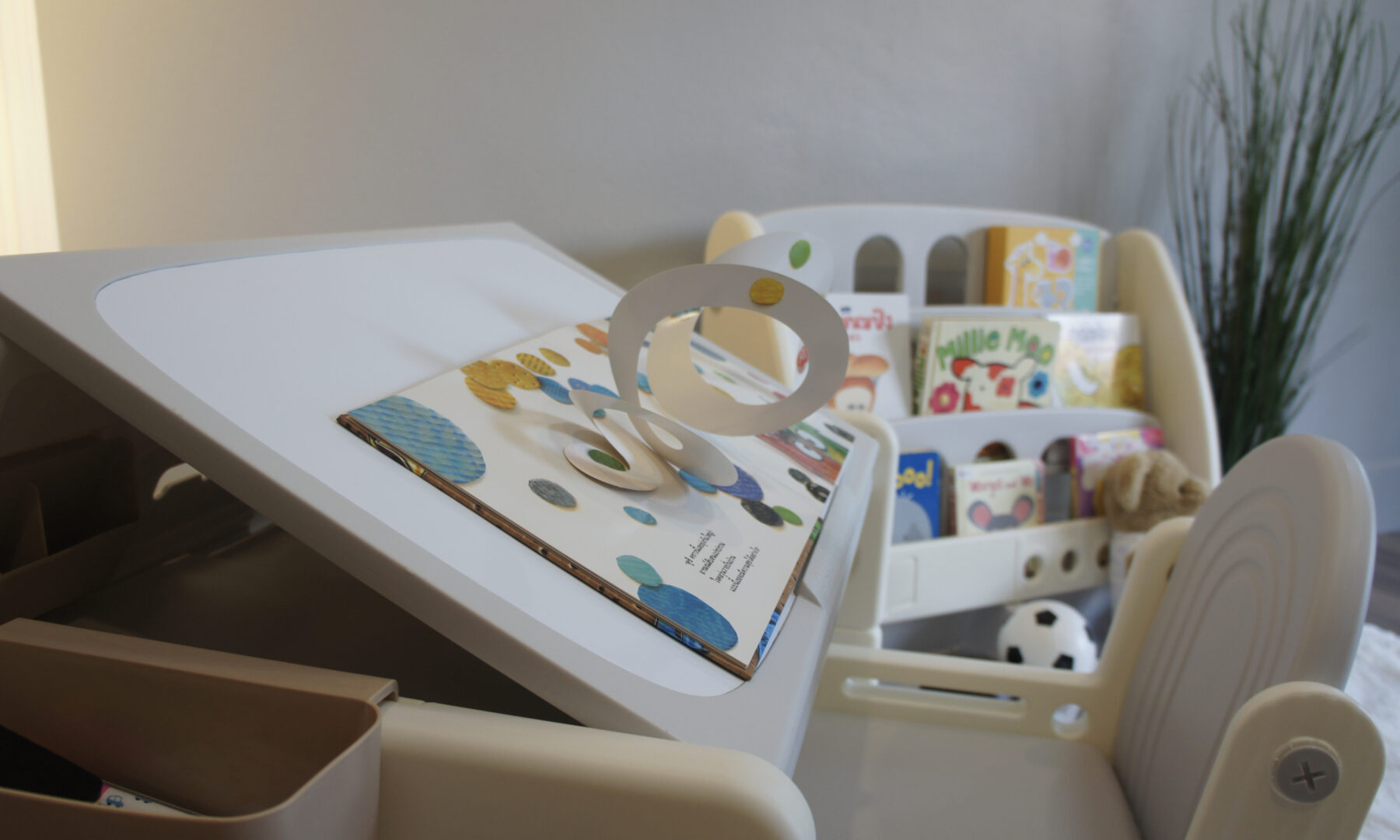
“Montessori Parenting in Everyday Life”
Morning: Allow children to wake up on their own and have time to become active. They can engage in light activities like making their bed or getting ready for school. Just waking up can be an adventure each day.
Midday: Give children opportunities to choose their meals and help with food preparation, such as washing vegetables, serving rice, or setting the table. It’s okay if some vegetables go missing in the process! 🤭
Afternoon: Allow time for learning and play, such as doing homework, reading, or playing with skill-developing toys. Be prepared for unusual questions like “Why is the sky blue?”
Evening: Involve children in household chores like clearing the table, cleaning, or organizing toys. Be ready for chores to turn into a game of hide and seek.
Bedtime: Provide time for relaxation, such as taking a bath, listening to a story, or talking about the day’s events. Sometimes, a bedtime story might become an adventure involving mythical creatures like elephants, birds, and dinosaurs.
Montessori parenting helps children develop self-confidence, responsibility, and better problem-solving skills. Creating an environment that supports learning and respects their individuality is crucial for helping children reach their full potential in all areas.
…and you’ll realize that parenting can be a delightful adventure day after day.
Sources:
©2024Tender. All Rights Reserved.